
Tips for Creating a Cozy and Productive Home Office Space

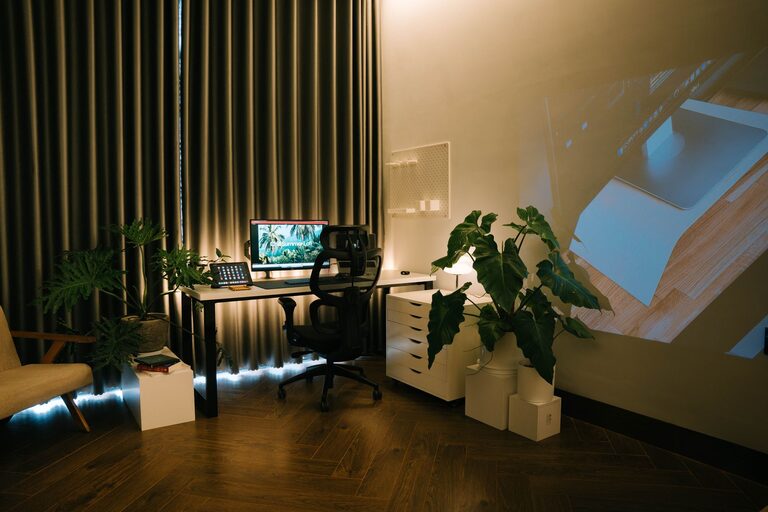
Creating a home office that feels both cozy and productive can make a big difference in your workday. Whether you’re working remotely, freelancing, or managing household tasks, having a space that promotes focus and comfort is essential. Here are some practical tips and ideas to help you set up a home office that works for you.
Choose the Right Location
Selecting the right spot for your home office is the first step. Ideally, pick an area that is quiet and away from household distractions. If possible, use a separate room, but if space is limited, a designated corner in a living room or bedroom can work well.
Consider natural light when choosing your location. A well-lit space reduces eye strain and improves mood and productivity. Try to position your desk near a window to take advantage of daylight.
Invest in Ergonomic Furniture
Comfort is key to sustaining productivity, so invest in ergonomic furniture designed to support your body.
– Desk: Choose a desk with enough surface area for your work items without feeling cramped. Adjustable desks that allow you to switch between sitting and standing can be a great option.
– Chair: A comfortable, adjustable office chair that supports your back is essential. Proper lumbar support helps maintain good posture.
– Accessories: Items like footrests, wrist rests, and monitor stands can improve comfort and reduce strain.
Organize Your Space Efficiently
A tidy workspace helps create a productive atmosphere.
– Declutter regularly: Keep only the essentials on your desk. Use drawers or containers to store other items.
– Use organizers: Desk organizers, shelves, and filing cabinets ensure your paperwork and supplies stay orderly.
– Cable management: Organize cables using clips, sleeves, or under-desk trays to reduce mess and prevent tripping hazards.
Add Cozy Elements
Comfortable elements make your home office inviting and reduce stress.
– Soft textiles: Consider adding a plush rug, cushions, or a cozy throw blanket.
– Plants: Houseplants boost air quality and create a calming atmosphere.
– Personal touches: Display photos, artwork, or objects that inspire you.
– Lighting: Use a combination of overhead lighting and task lamps. Warm-toned bulbs create a relaxing ambiance.
Minimize Distractions
Reducing distractions helps maintain focus during work hours.
– Noise control: Use noise-canceling headphones or white noise machines if background noise is an issue.
– Visual focus: Use privacy screens or room dividers if your workspace is in a shared area.
– Tech management: Limit social media and non-essential notifications during work time by adjusting device settings or using productivity apps.
Set a Daily Routine
Having a consistent schedule can improve productivity and work-life balance.
– Set work hours: Define clear start and end times to avoid overworking.
– Breaks: Take regular short breaks to stretch, hydrate, and rest your eyes.
– Workspace boundaries: When your workday is over, close your laptop and leave your home office to mentally switch off.
Use Technology Wisely
Leverage technology to enhance your workflow, but avoid letting it overwhelm you.
– Reliable equipment: Ensure your computer, internet connection, and peripherals are up to date.
– Productivity tools: Use apps for task management, calendar scheduling, and note-taking.
– Backup: Regularly back up your work files to avoid data loss.
Personalize Your Workspace
A space that reflects your personality can motivate and inspire you.
– Choose colors that you find uplifting or calming.
– Add artwork or motivational quotes.
– Customize your desktop background and screensaver with images that make you happy.
Maintain Good Air Quality and Temperature
A comfortable environment enhances concentration.
– Open windows to let in fresh air when possible.
– Use fans, heaters, or humidifiers to adjust room temperature and humidity.
– Keep your space clean and dust-free.
Final Thoughts
Designing a cozy and productive home office is about balance. By combining functionality with comfort, you can create a space that supports both your professional goals and well-being. Start with the basics—location, furniture, and organization—and gradually add personal touches to make the space your own. Remember, the best home office is one where you feel focused, comfortable, and motivated every day.